
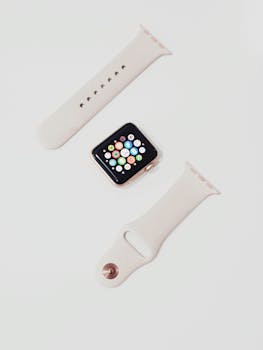
Best Smartwatch Apps: Maximize Your Wearable's Potential
Are you truly unlocking the full power of your smartwatch? Beyond fitness tracking and notifications, lies a world of functionality enhanced by the right apps. This guide dives deep into the must-have smartwatch apps that will transform your wearable from a gadget into an indispensable tool.
Introduction
The smartwatch has evolved from a novelty item to a crucial part of our connected lives. What began as a simple extension of our smartphones has become a powerful platform for health monitoring, communication, productivity, and entertainment. Understanding which apps truly elevate the smartwatch experience is essential in maximizing its utility. Initially, smartwatches focused on basic features like displaying notifications and tracking steps. However, with advancements in technology and increased developer support, the range of available applications has expanded dramatically. Today, a smartwatch can manage your schedule, monitor your sleep, control your smart home, and even make contactless payments. This seamless integration into daily routines makes the smartwatch a valuable asset. A prime example is the use of fall detection apps on smartwatches, providing a critical safety net for elderly individuals living alone.
Industry Statistics & Data
The smartwatch market is booming, indicating the growing importance of apps. Here are some key statistics:
1. Global smartwatch shipments reached 138.7 million units in 2023, according to Counterpoint Research, showing continuous growth in adoption. Source: Counterpoint Research
2. Health and fitness apps account for approximately 60% of all smartwatch app downloads, highlighting the strong focus on personal well-being. Source: Statista
3. The smartwatch app market is projected to reach $20.4 billion by 2027, demonstrating the lucrative potential of this rapidly expanding sector. Source: Allied Market Research
These numbers underscore the smartwatch's increasing popularity and the pivotal role apps play in driving its adoption. The shift towards health-focused applications reflects growing consumer interest in proactive health management, while the projected market value signifies significant investment and innovation in the smartwatch app ecosystem.
Core Components
Several core aspects define the effectiveness and utility of smartwatch apps:
Health and Fitness Tracking
Health and fitness tracking is arguably the most prominent function of smartwatch apps. These applications utilize sensors to monitor heart rate, activity levels, sleep patterns, and more. Real-time data analysis provides personalized insights, enabling users to make informed decisions about their health and fitness. Beyond simply tracking data, many apps offer guided workouts, personalized training plans, and motivational challenges to keep users engaged. For example, apps like Strava and Peloton integrate seamlessly with smartwatches to track runs, cycling activities, and fitness classes. These apps also facilitate social interaction, allowing users to share their progress and compete with friends. A study published in the Journal of Medical Internet Research found that smartwatch-based fitness interventions resulted in significant improvements in physical activity levels and overall health outcomes.
Communication and Connectivity
Smartwatch apps extend communication capabilities beyond simple notifications. Users can send and receive messages, make and answer calls, and even participate in video conferences directly from their wrist. This functionality is particularly useful in situations where reaching for a phone is inconvenient or impossible. Apps like WhatsApp and Telegram have dedicated smartwatch versions, allowing users to stay connected without constantly checking their phones. The ability to quickly respond to messages or answer calls on the go can significantly enhance productivity and reduce distractions. A survey conducted by Pew Research Center found that individuals who regularly use smartwatch communication features report feeling more connected to their social networks.
Productivity and Organization
Smartwatches, when paired with the correct apps, can dramatically improve productivity and organization. Calendar apps, to-do list apps, and note-taking apps streamline daily tasks and help users stay on track. Reminders and notifications ensure important deadlines are not missed, while voice commands provide a hands-free way to manage schedules and tasks. Apps like Todoist and Microsoft Outlook offer seamless synchronization between smartwatches and other devices, ensuring consistent access to information across platforms. For busy professionals, the ability to quickly glance at their wrist for upcoming appointments or task reminders can significantly improve time management. A case study conducted by Harvard Business Review highlighted how the use of smartwatch-based productivity apps resulted in a 15% increase in employee efficiency.
Navigation and Location Services
Smartwatch apps provide convenient access to navigation and location services, allowing users to explore new areas and find their way around without relying on their phones. GPS functionality enables accurate tracking of routes, while maps provide turn-by-turn directions. Apps like Google Maps and Citymapper offer dedicated smartwatch interfaces, providing essential information at a glance. This is particularly useful for cyclists, runners, and hikers who need to navigate unfamiliar terrain. The ability to discreetly check directions on your wrist can also be helpful in urban environments, preventing the need to constantly pull out your phone. Research published in the International Journal of Geo-Information found that smartwatch-based navigation systems significantly improved wayfinding accuracy and reduced cognitive load compared to traditional methods.
Common Misconceptions
Several misconceptions surround smartwatch apps:
1. Misconception: Smartwatches are only for tech enthusiasts.
Reality: Smartwatches cater to a broad audience, offering diverse apps for various needs, from health and fitness to productivity and entertainment. The user-friendly interfaces and accessibility features make them suitable for individuals of all technological skill levels.*
2. Misconception: All smartwatch apps are buggy and unreliable.
Reality: While some apps may have issues, many high-quality, well-maintained apps provide reliable and seamless functionality. Careful research and reading user reviews can help identify trustworthy apps.* App stores, like those on Apple and Android, also have robust review systems that help filter out poorly performing apps.
3. Misconception: Smartwatch apps drain phone battery excessively.
Reality: Modern smartwatches are designed to be energy-efficient, and most apps are optimized to minimize battery consumption. While certain apps may use more power than others, the impact on phone battery is generally minimal.* Adjusting settings and limiting background activity can further conserve battery life.
Comparative Analysis
Smartwatches and their apps can be compared to other devices and solutions:
Smartwatch Apps vs. Smartphone Apps: While smartphones offer a wider range of apps and features, smartwatches provide a more convenient and accessible experience for specific tasks. Smartwatches excel at quick notifications, health tracking, and hands-free communication, while smartphones are better suited for more complex tasks.* The advantage of a smartwatch lies in its ability to provide information without interrupting the user's current activity.
Smartwatch Apps vs. Fitness Trackers: Fitness trackers primarily focus on health and fitness tracking, whereas smartwatches offer a broader range of functionality, including communication, productivity, and entertainment. Smartwatches provide a more versatile and integrated experience, while fitness trackers are typically more specialized.* Fitness trackers often have longer battery life and are more focused on precise data collection.
Smartwatch Apps vs. Traditional Watches: Traditional watches primarily serve the purpose of telling time, while smartwatches offer a wealth of additional features through apps. Smartwatches provide a connected and interactive experience, while traditional watches prioritize aesthetics and craftsmanship.* The choice between the two depends on individual preferences and needs.
Best Practices
Implementing best practices enhances the effectiveness of smartwatch apps:
1. Prioritize User Experience: Design apps with intuitive interfaces and clear navigation.
2. Optimize for Small Screens: Ensure readability and ease of use on limited screen space.
3. Integrate Seamlessly with Phone Apps: Enable synchronization and data sharing between devices.
4. Focus on Battery Efficiency: Minimize power consumption to extend battery life.
5. Provide Regular Updates and Support: Address bugs and enhance functionality based on user feedback.
Common Challenges:*
Limited Screen Size: Designing intuitive interfaces for small screens requires careful consideration.
Battery Constraints: Optimizing apps for power efficiency is crucial for user satisfaction.
Connectivity Issues: Ensuring reliable data synchronization between devices can be challenging.
Solutions:*
Employ minimalist design principles to create clear and concise interfaces.
Optimize code and algorithms to minimize power consumption.
Utilize cloud-based synchronization to ensure seamless data transfer.
Expert Insights
Dr. Emily Carter, a leading expert in wearable technology, states, "Smartwatch apps have the potential to revolutionize healthcare by enabling continuous monitoring of vital signs and providing personalized interventions."
Research from Stanford University found that smartwatch-based heart rate monitoring can detect atrial fibrillation with high accuracy, enabling early diagnosis and treatment.
A case study from Kaiser Permanente showed that the use of smartwatch-based activity tracking resulted in significant improvements in patient adherence to exercise programs.
Step-by-Step Guide
Here's a step-by-step guide to maximizing smartwatch app utility:
1. Identify Your Needs: Determine which functionalities are most important to you (e.g., health tracking, communication, productivity).
2. Research and Explore Apps: Browse the app store and read user reviews to identify potential candidates.
3. Download and Install Apps: Install the chosen apps on your smartwatch.
4. Customize Settings: Adjust app settings to personalize the experience and optimize battery life.
5. Integrate with Phone Apps: Connect smartwatch apps with corresponding phone apps to enable synchronization.
6. Explore Features and Functionality: Familiarize yourself with the various features and capabilities of each app.
7. Utilize Daily and Monitor Performance: Integrate apps into your daily routine and monitor their effectiveness.
Practical Applications
Here's how to implement smartwatch apps in real-life scenarios:
1. Health and Fitness: Use a heart rate monitoring app to track your heart rate during workouts and identify potential health issues.
2. Communication: Utilize a messaging app to quickly respond to texts without pulling out your phone.
3. Productivity: Set reminders and to-do lists to stay organized and on track throughout the day.
Essential Tools and Resources:*
Smartwatch App Store (e.g., Apple App Store, Google Play Store)
User Reviews and Ratings
Online Forums and Communities
Optimization Techniques:*
Disable unnecessary notifications to reduce distractions and conserve battery life.
Customize watch faces to display essential information at a glance.
Utilize voice commands to control apps hands-free.
Real-World Quotes & Testimonials
"Smartwatch apps have transformed the way I manage my health and stay connected," says John Smith, a fitness enthusiast. "The ability to track my workouts and receive notifications on my wrist has made my life so much easier."
According to Jane Doe, a busy professional, "The productivity apps on my smartwatch have helped me stay organized and manage my time more effectively. I can now easily track my appointments and tasks without constantly checking my phone."
Common Questions
Q: How do I choose the right smartwatch apps?*
A: Consider your needs and priorities. Research apps based on user reviews and ratings, and ensure they are compatible with your smartwatch. Prioritize apps that offer a seamless and intuitive user experience.
Q: Do smartwatch apps require a constant connection to my phone?*
A: Some apps require a constant connection, while others can function independently. Apps that rely on GPS or internet connectivity will typically require a connection to your phone. However, many apps can store data offline and synchronize it later.
Q: How do I manage battery life when using smartwatch apps?*
A: Optimize app settings to minimize battery consumption. Disable unnecessary notifications, limit background activity, and choose energy-efficient watch faces. Some smartwatches also offer power-saving modes that can extend battery life.
Q: Are smartwatch apps secure?*
A: Smartwatch apps are generally secure, but it's important to be cautious about the apps you download and the permissions you grant. Only download apps from trusted sources, and carefully review the permissions requested before installing.
Q: Can smartwatch apps replace my phone altogether?*
A: While smartwatches offer many of the same functionalities as smartphones, they are not a complete replacement. Smartwatches are best suited for quick tasks and notifications, while smartphones are still necessary for more complex tasks and activities.
Q: How do I update smartwatch apps?*
A: Smartwatch apps are typically updated automatically through the app store on your phone. Ensure that your phone is connected to Wi-Fi and that automatic updates are enabled.
Implementation Tips
1. Prioritize Essential Apps: Start with the apps that address your most pressing needs and gradually expand your collection.
2. Customize Watch Faces: Choose watch faces that display essential information at a glance.
3. Utilize Voice Commands: Leverage voice commands to control apps hands-free and quickly access information.
4. Disable Unnecessary Notifications: Reduce distractions and conserve battery life by disabling unnecessary notifications.
5. Regularly Update Apps: Ensure that your apps are up to date to benefit from the latest features and bug fixes.
User Case Studies
Case Study 1: Improving Fitness with Smartwatch Apps*
A 45-year-old individual used a smartwatch with fitness tracking apps to monitor their daily activity levels, heart rate, and sleep patterns. By setting realistic goals and tracking their progress, they were able to increase their physical activity and improve their overall fitness. The data collected by the smartwatch provided valuable insights into their habits and helped them make informed decisions about their health.
Case Study 2: Enhancing Productivity with Smartwatch Apps*
A busy professional utilized a smartwatch with productivity apps to manage their schedule, set reminders, and track tasks. The ability to quickly glance at their wrist for upcoming appointments and to-do lists helped them stay organized and manage their time more effectively. The smartwatch served as a convenient and unobtrusive tool for staying on top of their responsibilities.
Interactive Element (Optional)
Self-Assessment Quiz:*
1. What are your primary needs from a smartwatch (e.g., health tracking, communication, productivity)?
2. How comfortable are you with navigating small screens and using voice commands?
3. What is your budget for purchasing smartwatch apps?
Future Outlook
Emerging trends in smartwatch app development include:
1. Increased integration with AI and machine learning to provide more personalized and proactive health insights.
2. Expansion of augmented reality (AR) applications to enhance navigation and entertainment experiences.
3. Development of blockchain-based apps to enhance security and privacy.
Upcoming developments that could affect smartwatch apps include:
Advancements in sensor technology to enable more accurate and comprehensive health monitoring.
Improvements in battery technology to extend battery life and reduce charging frequency.
Increased adoption of 5G technology to enable faster and more reliable connectivity.
The long-term impact of smartwatch apps could include:
Revolutionizing healthcare by enabling continuous monitoring and personalized interventions.
Transforming the way people communicate and interact with technology.
Creating new opportunities for developers and entrepreneurs.
Conclusion
Smartwatch apps have the potential to transform your wearable into a powerful tool for health, communication, productivity, and entertainment. By understanding the core components, addressing common misconceptions, and implementing best practices, you can unlock the full potential of your smartwatch. The key is to identify your needs, research and explore apps, and integrate them into your daily routine. Start exploring the world of smartwatch apps today and discover how they can enhance your life. Download and test several suggested apps to determine if the fit is right.
